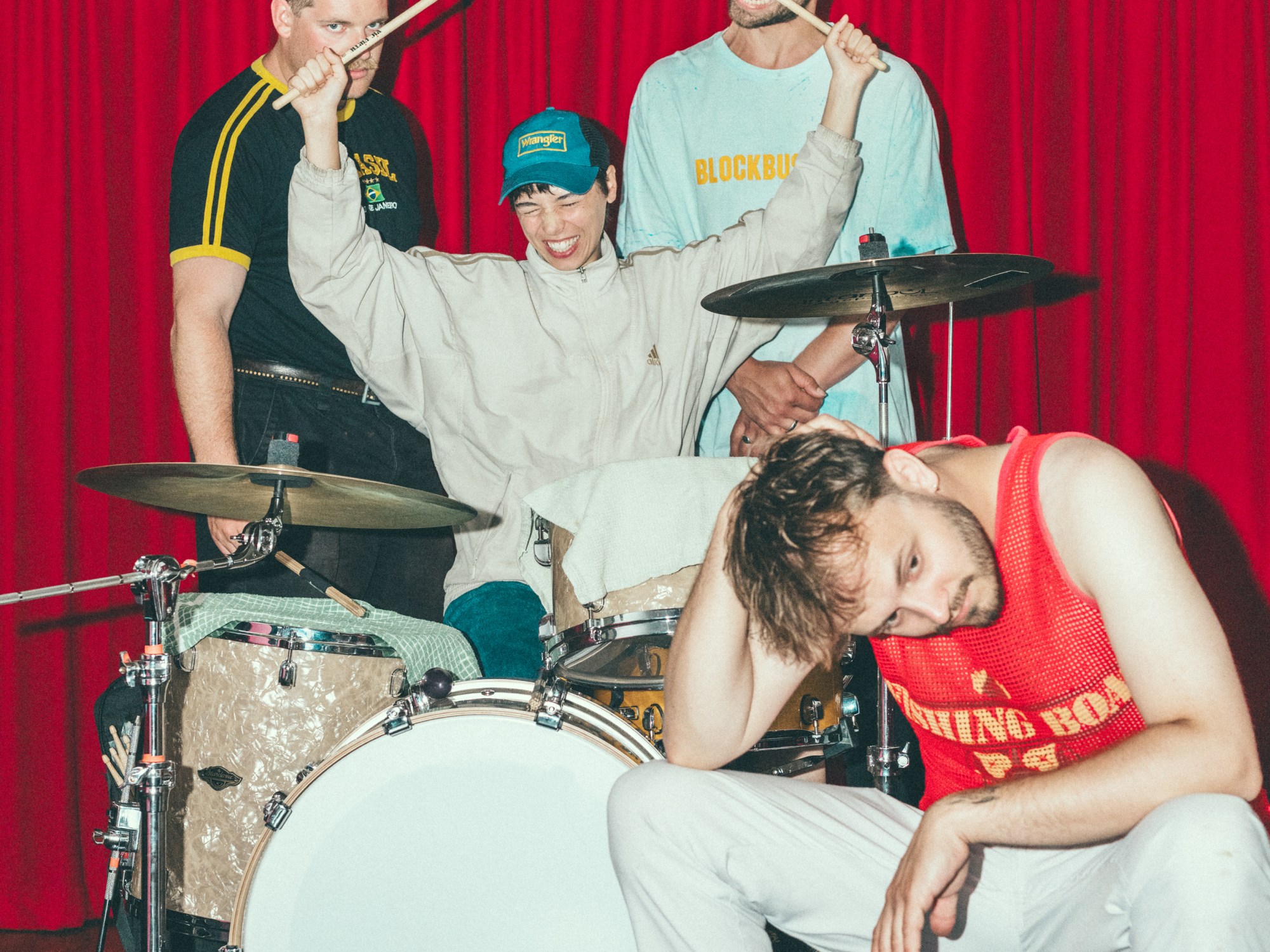
10. The Bug Club – Very Human Features [Sub Pop]
In a year of hiatus ending returns, there was something quite pleasing about The Bug Club sharing their fourth album in four years, regular as clockwork, for our “annual appointment at the garage rock makers’ market”. The album followed On the Intricate Inner Workings of the System, the much-lauded first fruits of the Welsh wonders, still somewhat surprising, working relationship with the legendary Sub Pop label. All of which meant Very Human Features arrived with a newfound expectation. Not that they seem to have noticed, as they joked that it’s just “an excuse to continue their never-ending tour”, and declined to include probably their best single yet, Have U Ever Been 2 Wales. Then perhaps that is just why The Bug Club are so appealing, because they don’t seem to take much notice of what anyone else thinks they should be doing, could you write a record this joyously bonkers if you did?
The scene is set here by the opening track, Full Grown Man. It’s trademark The Bug Club, at once surreal, entirely mundane and just a little bit sad, as choppy drum rhythms meet wiry guitar-meanders and the twin vocals lay out the case of an adult who doesn’t quite know how to adult, “I’m a man, I’m a full-grown man, and man I’m giving up”. That sense of not quite belonging, or perhaps understanding the “real world” is a theme they visit throughout, whether it’s the maturely melodic Jealous Boy, “tell me how, I’m not allowed, I’m not allowed to be the jealous boy I am”, or the closing track, Appropriate Emotions, a song about frustrations and anger delivered with almost robotic calmness, “I hope I feel one of the appropriate emotions for a homo sapien to feel in situations like this”. Fittingly for an album called Very Human Features, The Bug Club seem to stair into the mirror more than ever before, often taking themselves down before anyone else has the chance to, Young Readers comical bleakness reads like a post-it note to self, “you don’t have to live a life like this, you could just die”, while Twirling In The Middle lays into everyone from Andy McNabb to Leiber & Stoller, before skewering their own creative tendencies, “just when you’re ready for this to be over, we’ll start playing solos”, before launching into, a guitar solo The Wave Pictures would be proud of. Thankfully none of these dissections of the human condition get in the way of their ability to write a big, daft, delightful pop song, Beep Boop Computers is like the middle ground of T-Rex and The Lovely Eggs, while How To Be A Confidante is all relentless guitar swagger, sublime comparisons between people and laundry and a chorus so insidious you’ll have to be careful not to sing it at people you actually like, “if I’m lucky I’ll never have another friend like you”. Particularly great is the de-facto title track, Muck (Very Human Feature), the one moment where they dig into their Ivor Cutler-like spoken word tendencies, and atop a poignant acoustic-guitar line seem to let their minds wander off of their own accord before zoning in on the closing mantra, “ignore me, I’m only a fully formed human”, before the whole thing drifts off. Sure, a new year brings a new Bug Club album, there’s nothing new there, but like the arrival of Spring, it still manages to beguile in new ways, familiar but ever changing, always a subtle improvement on what came before.
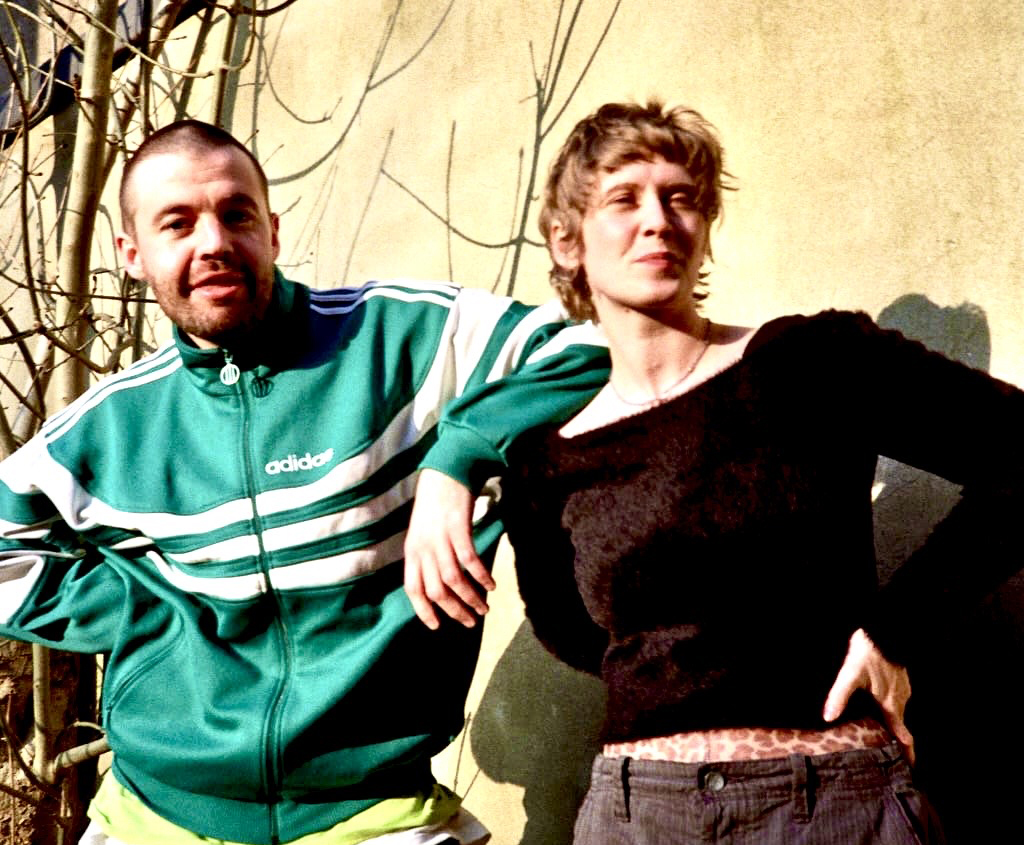
9. Emily Hines – These Days [Keeled Scales]

A self-styled, “chronically sincere farm girl from Ohio”, Emily Hines was new to nearly all of us in 2025, although her songwriting debut came at just seven years old when she teamed up with her brother to create a welcome home present for their sick mother. If that’s not already wholesome enough for you, many of the songs on These Days were written during breaks from her organic farming projects in both her home state and Kentucky. Those songs brought her to Nashville, and a collaboration with producer and partner Henry Park, as well as the supply of “generously talented musicians” who appear on the record. The album was recorded to a 4-track tape recorder, inspired by the freeing nature of a medium that, “doesn’t afford you to get surgical about the details”.
Listening to These Days, it’s a record of beautiful contrasts. It feels intimate as if Emily’s whispering her truth directly into your ear, yet it’s not in any way sparse; instead, the arrangements are largely lush and fully formed. Perhaps it’s a result of the way it was recorded; it was originally just Emily and a guitar, direct to the tape, with the perfectly judged additional layers only added on afterwards. Despite the sublime playing, the record still seems to sit Emily front and centre throughout, as she shares her missives on love and meaning in a world that seems to spin faster with each passing year. The whole thing is remarkably candid, Emily laying out all her thoughts, desires and baggage, as she works her way through the universal theme of discovering our place in the world. Opening track, My Own Way, might initially sound like a Sinatra-esque statement of following your heart, yet to a fabulously enigmatic drum rhythm, Emily flips the title on its head as she sings, “I’m in my own way again, watching the wheels spin”, reflecting on her ability to slip back into old routines even if they stop you being open to what’s around the corner. From there the album flows, and that really feels the appropriate term given just how well the tracks connect across the record, into the gently rhythmic Cold Cases and the remarkable All Of Our Friends, which explores the anxiety of a new relationship and learning to accept the mystery, “if all of if comes out just like you intended, won’t you be a little bored and wishing that it didn’t?” Elsewhere the album’s lead single, Cowgirl Suit, is a list of things left unspoken in a one-way relationship, “I won’t call you when you’re on my mind, because I’m too proud and you’re too nice, sorry if I’ve wasted your time, I don’t think I’ve wasted mine”, while closing track Cedar On The River is a bruising, choppy masterpiece. My favourite moment here is the first song I ever heard by Emily, UFO, described by Emily as, “a satirical worship song”, it finds her, “poking fun at a past version of myself who was always waiting to be whisked away instead of just planting roots“. Set to a backing of gentle guitars and distinctly alien electronic effects, it finds Emily pleading for a second coming and an alien invasion wrapped up into one, “Jesus will come riding in on a UFO, Jesus will come crashing in with his alien buddies, Jesus will come in the name of love and take us out”. As with the entire record really, Emily seems to be playing with boundaries and contradictions, always asking questions without ever really offering the answers, a beautifully judged invitation perhaps to see the world a little differently and make up our own minds.
8. adults – the seeds we sow are sprouting buds nonetheless [Fika Recordings]
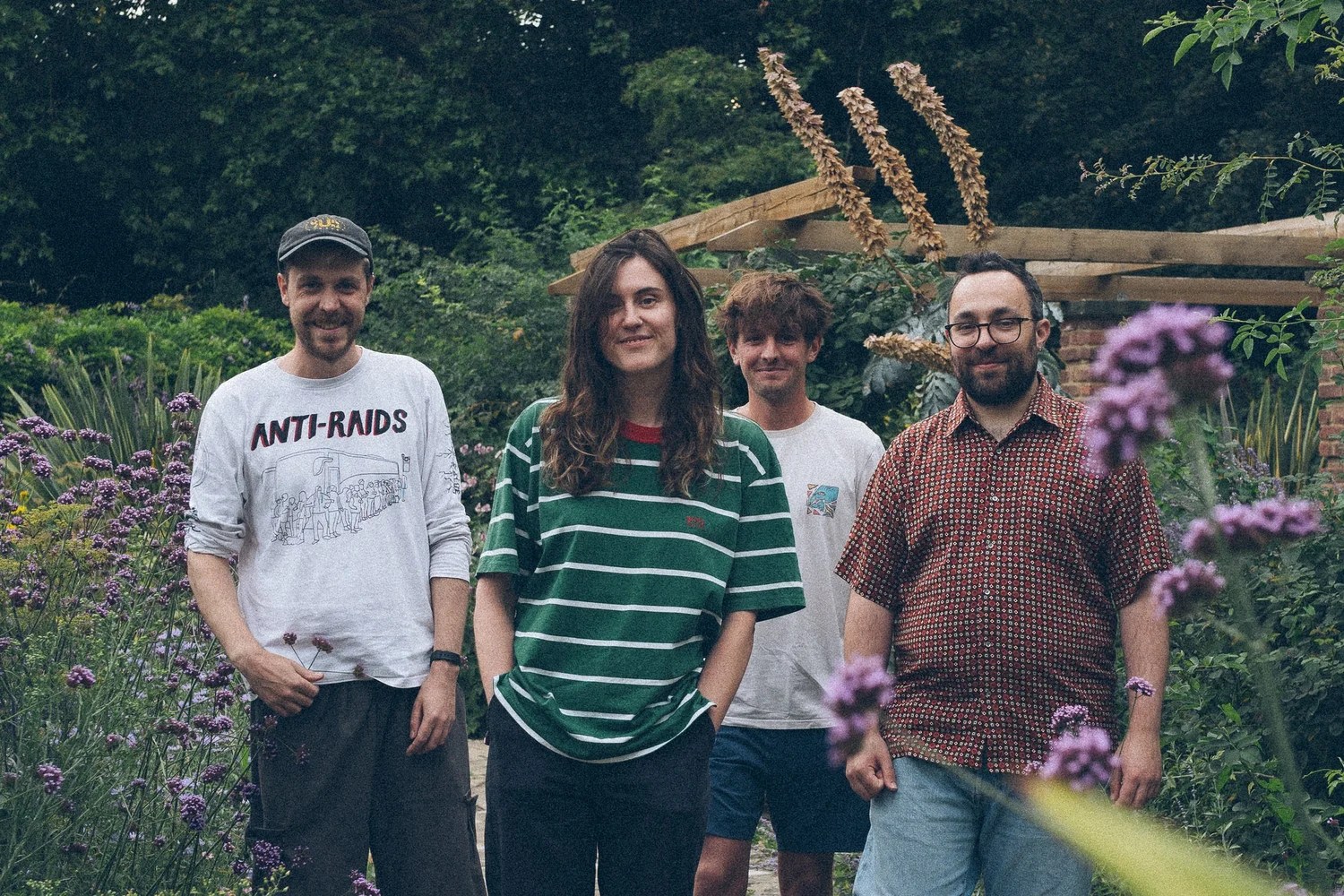
A well-established fixture on the UK’s indie-pop scene, South London’s adults are in many ways the band you dream of being in as a teenager. They’re a bunch of mates who write, “fast silly indie punk”, mainly just for the love of doing it. Back in 2022, they released their album, for everything, always, a record about youth changing into young adulthood and finding a way to remain optimistic in the, “face of modern society’s bullshit”. For the follow-up, the seeds we sow are sprouting buds nonetheless, the band once again enlisted producer Rich Mandell, but this time spent, “3 months recording on rooftops and warehouses in South London”, not the single day their debut took. The result is, perhaps unsurprisingly, a considerably more intentional and detailed record, the result of, “messing around with loud amps and gear they don’t have access to in their bedrooms”.
At its core, the seeds we sow are sprouting buds nonetheless, is a record about change. Throughout it, we are asked to look in on the comings and goings of life, on ageing, on feeling seen and feeling overlooked, on connections forming and connections falling apart. It’s all laid out for us from the Los Campesinos!-like first track, dead red, where in the midst of a series of angry missteps and repressed feelings, there is a simple promise to the world to try and change, “I’m working on my feelings”. These open-ended promises are a scene they step back into regularly throughout the record, on wrestle me out they sing of how, “lately I can’t stop disappearing but I promise you I’ll stop turning in” and on the fizzing clatter of going round the houses they commit to,“trying not to hate you, like I try not to hate myself”. Within the personal fluctuations there’s also a desire for roots, with London often cast as a villain in the battle for secure living, flag reflecting on, “a cruel pace, the estate race, they want us to believe that money’s the beating heart of our city”, while the Martha-like jetwash reflects on the shifting sands of the rental market, “these walls you haven’t been inside, major memories of our minor lives contained, they don’t belong to us”. Probably the track that brings the sense of change most strikingly to light is the closing track all set. Set to a lilting acoustic guitar, the distinctly downbeat twin vocals are resplendent with unspoken desires, the stiff upper lip that lets someone leave when you really want to beg them to stay, “of course I will help you take your things to the train, of course I will help you take your things, if you’re still set on going”. For all the heaviness on show, the seeds we sow are sprouting buds nonetheless can also be a remarkably sprightly record, detrimental is an elastic slice of indie-punk living up to the lyrical depiction of,“a basic human bouncing round this spinning top”, while the surfy-guitars and bounding bass of nine lives struts like Chorusgirl or Meagre Martin as it reflects on a friendship stagnating through drunken parties and white lies. The standout moment, patterns, is probably the best reflection of adults’ sound to date, buzzing guitars and twiddling keyboard lines create a gorgeous melodic fog, cut through which the rapid Pains Of Being Pure At Heart-like flourish of the rhythm section. Throughout the lyrics might be torn between the comfort of the past and the uncertainty of the future, but adults music seems to only be looking one way; they’ve never sounded better.
7. Kieran Hebden + William Tyler – 41 Longfield Street Late ’80s [Eat Your Own Ears]
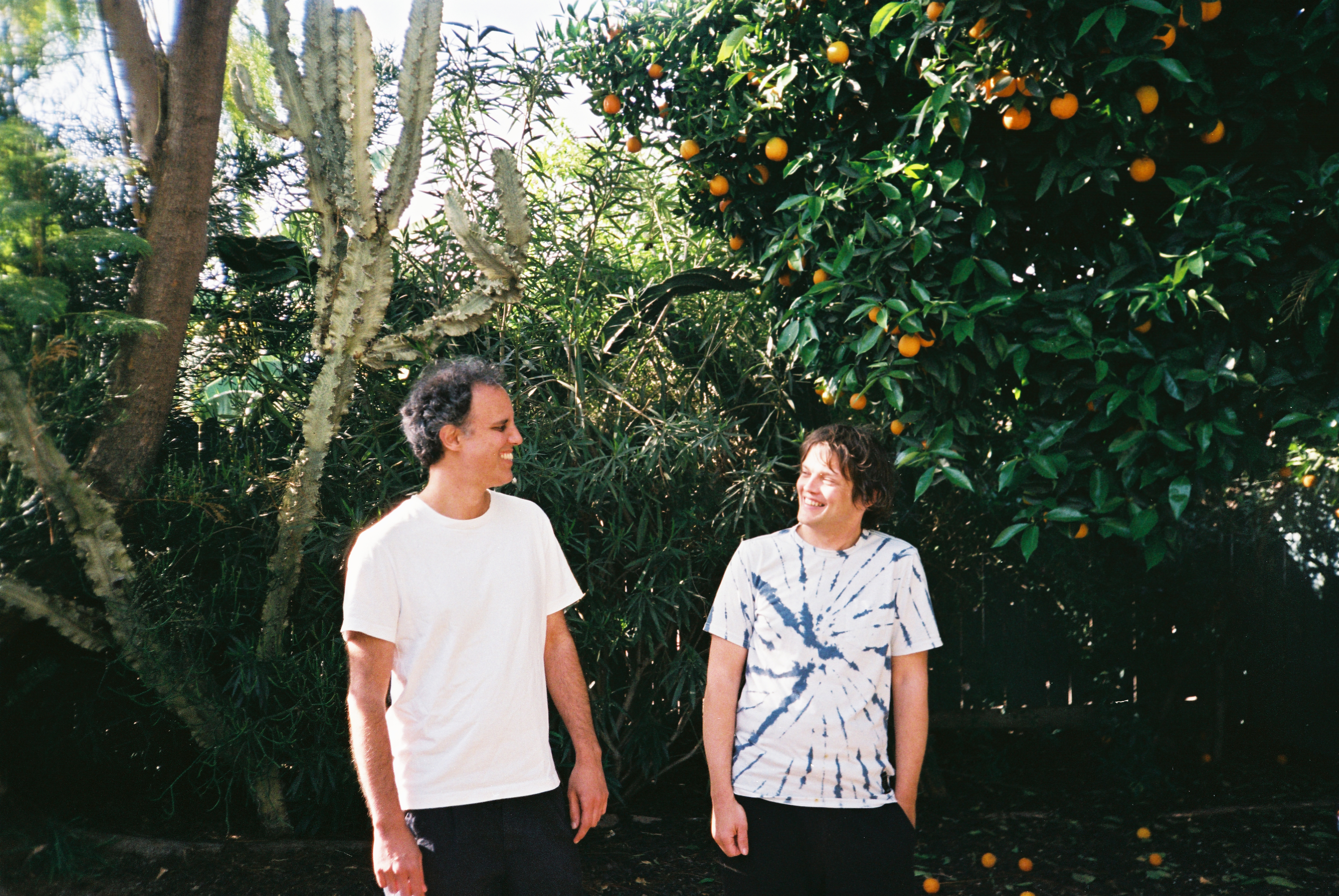
There was a time when a collaboration between Kieran Hedben and William Tyler might have seemed a real surprise. Kieran is, of course, the man behind the Four Tet moniker, purveyor of sometimes experimental, sometimes outright danceable electronica, and William is a master guitarist and creator of instrumental, “cosmic country”. As their careers have blossomed and the men have matured like fine wines, their tastes and sounds have gradually seemed to coalesce to the point where actually working together made a lot of sense, and thankfully, they did just that. William noting, “I don’t even know what genre I’m supposed to be in at this point”. The pair bonded over, “a shared deep connection to ‘80s American country and folk music“, which both inherited from their fathers, in William’s case, because his dad played on a lot of those records. Now, if you’re expecting a straight-up country-folk album, maybe look away now, because while Kieran recalls, the influence was, “in the front of our awareness”, when writing, “I’d take it all home to computer and bring it into my other world”, and what a wonderful world that is!
Instrumental music is something that is an interesting phase at the moment; there’s a lot of it about, but perhaps more than ever it’s being used largely as background filler, so listening to 41 Longfield Street Late ’80s, what is really striking is how it really demands the listener’s attention. Take the mesmeric opening track, If I Had A Boat, over it’s eleven-minute runtime, it’s a piece that constantly evolves, from the opening nebulous swell through to Bert Jansch-like solo acoustic moments and a burbling blissful electronic outro that brings to mind the restless creativity of Haiku Salut. The track is followed by the completely different but equally intriguing Spider Ballad, it’s a much more driving track, the twitching rhythms and propulsive electronics reminding the listener of Kieran’s Four Tet-roots as a purveyor of the eerily danceable as the pair fittingly engulf the listener in a complex musical web. The record opens so strongly it is perhaps unsurprising that it has to take a breather at this point courtesy of the 45 second long blast of controlled feedback, I Want an Antenna, and the beautiful, but relatively sedate, When It Rains, which only takes a turn to the chaotic for it’s closing crescendo as the previously becalmed guitars get lost into a wall of noise. Timber starts with a pulse of nylon-string guitar that brings to mind The Acorn’s Glory Hope Mountain, it remains a constant throughout as the song swells and breaks around it courtesy of first guitar chords and then what could be a harp, serving as gentle but delightful pick-me-ups. Loretta Guides My Hands Through the Radio, is less a track and more an interlude of radio static, breaking the flow before the record comes to a beautiful end on Secret City with its hypnotic chord progression and tremulous walls of feedback; it wouldn’t sound out of place on an Explosions In The Sky record. Listened to as a whole, 41 Longfield Street Late ’80s shows that instrumental music can really paint a picture, with each repeat listen you seem to see a little more of its creators, the sounds that shaped them as musicians and people, the things they learnt over forty plus years of listening that brought them hear and made them two of the most intriguing musicians around.
6. Sharon Van Etten & The Attachment Theory – S/T [Jagjaguwar]
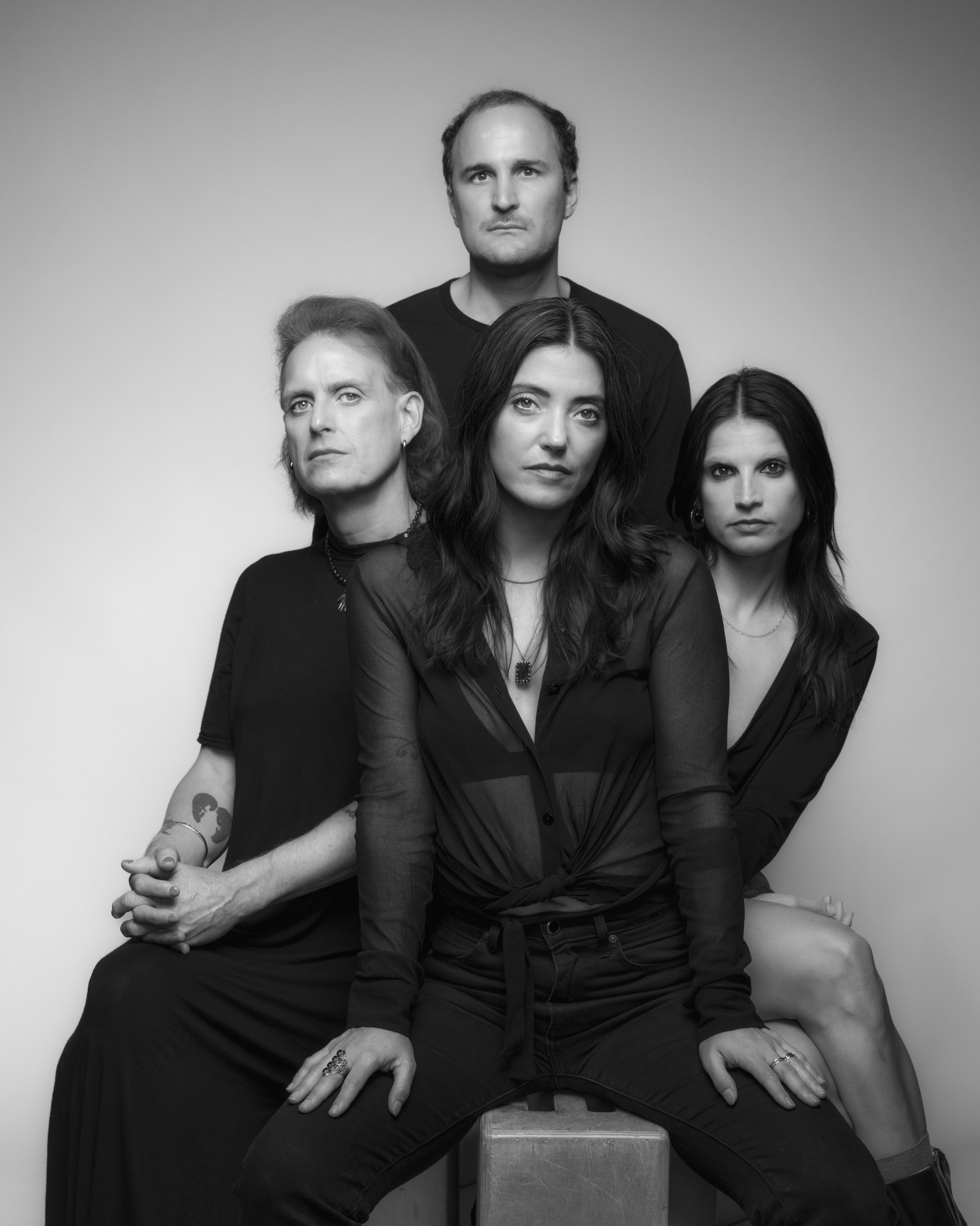
Was this the seventh Sharon Van Etten album, or the Attachment Theory’s debut? Either way, for one of this generation’s finest songwriters, it was certainly something very different. Three years on from Sharon’s last record, We’ve Been Going About This All Wrong, this album was made in, “total collaboration” with her band an attempt to find something new in the experience of letting go of control, and working with, “no safety net”. The album therefore, is the result of liberation from previous material, an exploration of classic Sharon Van Etten themes, set to an entirely new sound and an entirely new way of working, “for the first time in my life I asked the band if we could just jam. Words that have never come out of my mouth”.
There’s something almost ritualistic about the opening track Live Forever, as if Sharon and her merry band of goths are throwing a funeral for everything that came before. The whole thing is beautifully doomy; we’re greeted by entwining synths, a scene set even before Sharon enters with the existential question, “Who wants to live forever?” As a distinctly industrial beat adds to the dirgy intrigue, it’s only really the best parts of two minutes in that we hear much of Sharon as we knew her before, as she opens her lungs and lets that era-defining voice soar as the lyrics shrug, “it doesn’t matter, it doesn’t matter”. After the intensity of the opening, Afterlife, with its crackling synths and Twilight Sad-like guitars, comes as something of a euphoric relief, something you might not expect for a song about whether our loved ones will be waiting for us when we die. The brilliant opening half of the record reaches its peak on the smouldering Trouble, a song, like many on this record, about co-existence with different view points, it finds Sharon longing for a connection across the divide, “all the bubbles that we live in, all the bubbles I want the pin to pop”. While Sharon’s way with a melody remains a huge draw, here she often lets the rhythm section lead the listener, whether it’s the early-noughties referencing strut of I Can’t Imagine (Why You Feel This Way) or the propulsive Idiot Box, which feels like a long lost New Order track. Particularly wonderful is Somethin’ Ain’t Right, possibly the most danceable track Sharon has ever released, Teeny Lieberson’s synth dancing with Devra Hoff’s bass throughout as Sharon seems to question divisive rhetoric as she asks, “Do you believe in compassion for enemies? Who is to blame when it falls to decay?” The whole thing has a distinct Talking Heads-like quality, even before Sharon doffs her cap to the David Byrne shrine in the closing section,“he said it’s the same, the same as it ever was”. The record closes with the straight talking I Want You Here, as out of the slow-moving synth line and subtle drums Sharon’s vocal emerges, gradually sounding more and more urgent in her declarations, “I want you here, even when it hurts, and I want you hear even when it gets worse”. It’s a fitting end to a record that is ultimately about connection and openness, the times might seem dark and ever changing, but ultimately, all you can do is show up and be open to whatever comes your way.
5. Allo Darlin’ – Bright Nights [Fika / Slumberland]
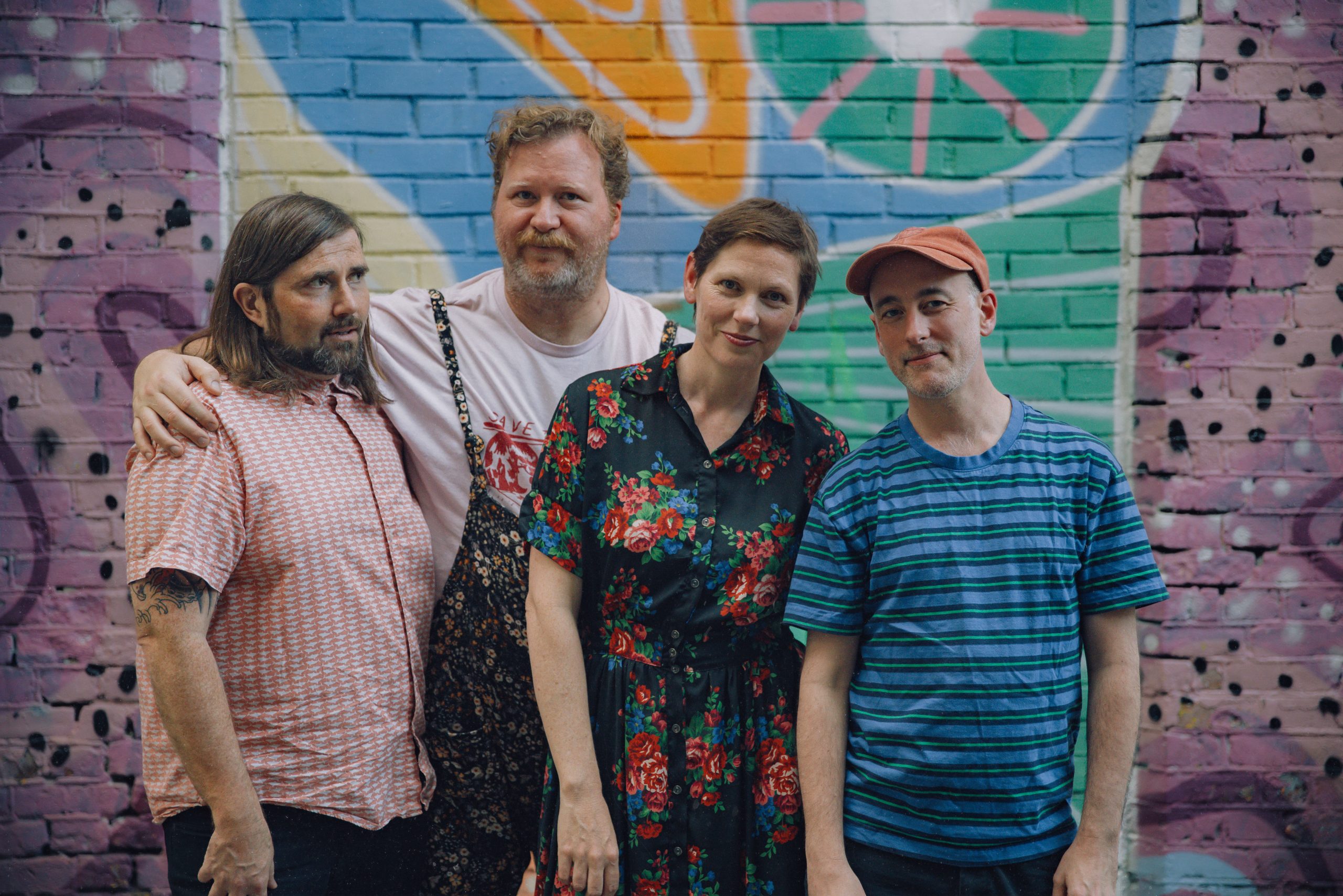
I’ll probably always associate Toulouse with Allo Darlin’ for no reason other than I was in La Ville Rose when they announced they were calling it a day. That was back in 2016, two years on from their triumphant third album, We Come From The Same Place. With band members dotted around the globe, and lives outside and inside of music to be getting on with, the decision, while probably very sensible for all involved, seemed reflective of the state of the music industry. Where a band on their level could once have made a good living, now, as they sang, “the silver dollars are pretty, but they’re worthless”. Ten years on, and things are, well, probably a bit worse for bands trying to make a living, but for Allo Darlin’, there was still an itch to be scratched. It started, like everything in 2020, with zoom calls, the band deciding that when the Covid restrictions were over, they’d become a band again. True to their word, they played some shows in 2023, selling out a London date so quickly they had to double the size of the original venue. Allo Darlin’, a much loved fixtured of the UK’s indie-pop scene, were seemingly missed as much by their fans as their members. From those few bright nights came, well, Bright Nights, their first new record in over a decade, which thankfully was well worth the wait.
It’s always tempting to see a new record as picking up where the last one left off, but that’s not quite true of Bright Lights. This is a record that has lived those ten years with its creators, as Elizabeth Morris Innset explains, the album deals with, “themes of love, birth and death, which are things we reflect more on than we did when we made our first album“. That sense of living lends the record a distinct maturity, a sense the band, along with their audience, have moved into the next phase, where once they were free to be “dancin’ on my own to a record that I do not own, in a place I’ve never seen before”, now they’re rushing home to their children and wondering what sort of world they’ve brought them into. Particularly poignant is the stripped-back folk of Slow Motion, which Elizabeth wrote after reading Lucinda Williams’ autobiography. “I wrote it in about 10 minutes, about a car crash I had while I was pregnant and my eldest daughter was in the backseat. It felt good to make a song out of a situation that was frightening, to turn that into art“. This maturation isn’t only present in the lyrics, while they remain an indie-pop band at heart, more than ever they stretch their sound to meet their influences, Paul Rains’ immaculate guitars in particular bring a country-lilt to the likes of Cologne, and the opening track, Leaves In The Spring, which nods to I’m Wide Awake It’s Morning-era Bright Eyes. If you’re worried that this might have worn out of some of the unadulterated joy of their earlier records, you needn’t, Tricky Questions is classic Allo Darlin’, a love letter to place (in this case Florence) and happy memories with just a hint it could all go horribly wrong, “you’d been asking tricky questions, I had no words although I tried, to see the back of a depression, it felt so good to be alive”. Elsewhere, My Love Will Bring You Home lays bare a mothers love, “every night when you’re asleep I still check that you’re breathing before I lay my head”, to a relentlessly bouncy bassline, while the Bill Botting-penned You Don’t Think Of Me At All is unquestionably the, “sad banger” he said he hoped it would be, as it sets the pain of not even leaving an impression to a power-pop backing, and a chorus so catchy you’ll wish you could sing all three-parts of the harmonies at once. Perhaps the track that best sums up Bright Nights is the brilliant Historic Times, it finds Elizabeth, “standing on a hillside watching someone I used to love”, as a thinning singer is, “hiding what’s left of his hair under a cap”, as she reflects, “we are not so young, but we are still free”. It perfectly surmises that feeling of ageing, a growing collection of memories that are easy to mistake for the good old days, yet with songs this good, Allo Darlin’s brightest nights are surely still to come.
4. Friendship – Caveman Wakes Up [Merge Records]
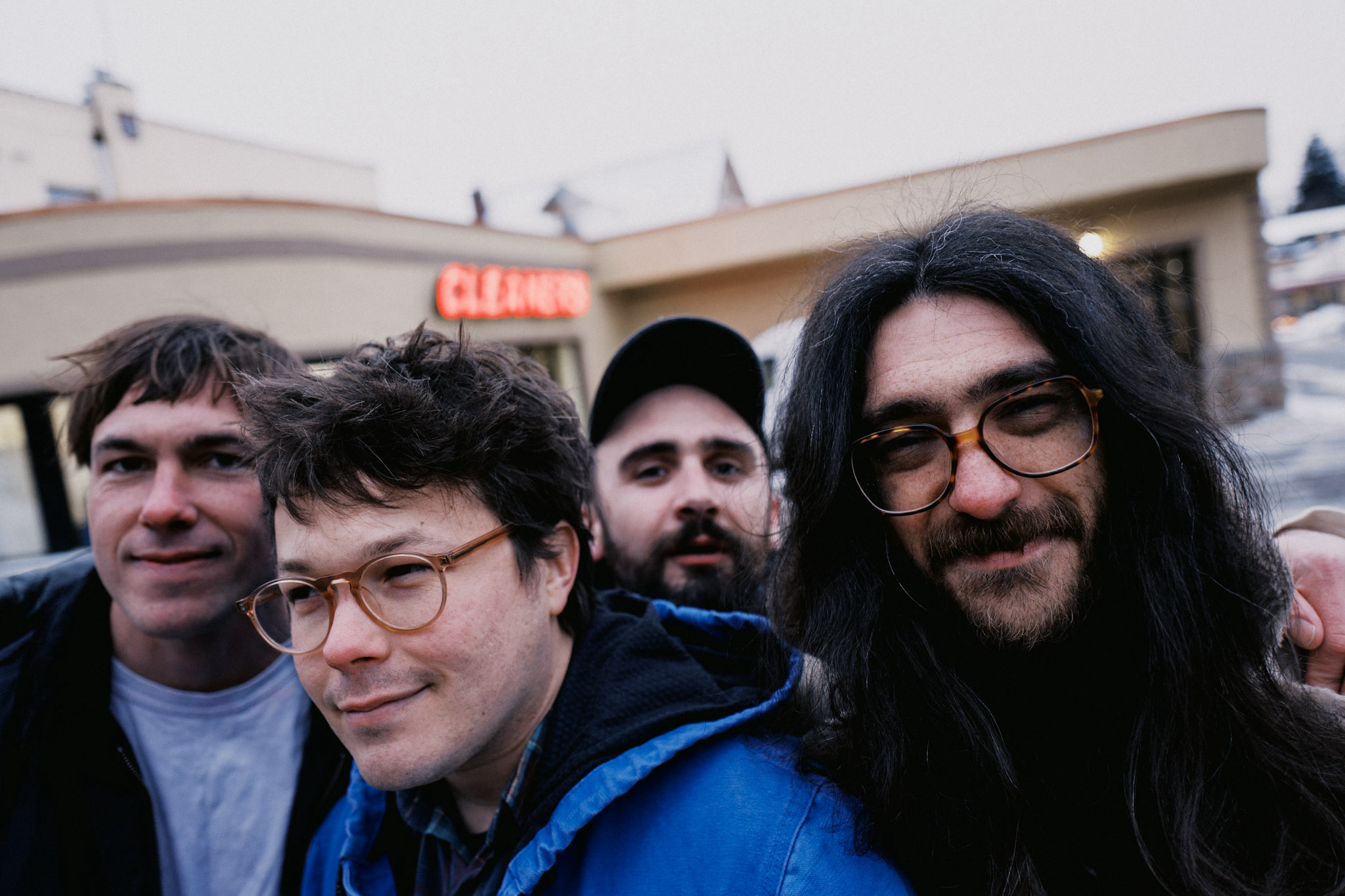
Something slightly odd has happened with time since the last Friendship album, Love The Stranger, came out, because somehow that’s already three years ago. Then Dan Wriggins’ songs have always had a way of warping time, feeling at once comfortingly familiar and yet bristling with fresh ideas. Since Love The Stranger, the band have been touring, of course, but they’ve also been living. Dan attended and departed an Iowa Writers’ Workshop where, “his love for poetry and mistrust for the academic poetry world grew in tandem”, and saw a relationship fall apart. It’s all that gritty life stuff that’s writ large on Caveman Wake Up, an album at least partly written on the couch of MJ Lenderman and Wednesday’s Karly Hartzman’s home in North Carolina. Bringing the songs back to Philadelphia and his ever creative, and ever busy with a million other brilliant projects, bandmates, it took just five days to wring out this collection, which sounds like it might have taken lesser musicians a lifetime to get sounding this good.
While I could wax lyrical about the quality of Dan’s lyrics, and I will, perhaps where Caveman Wakes Up really stands out in the Friendship back catalogue is both the quality and variety of the arrangements. The way the drum beat in Wildwood in January skitters throughout as the other instruments come and go, like the leaves of a tree as the seasons change, or how the woodwinds on Fantasia fade out to let the vocal arrive, before returning alongside it with strings in tow to lift the whole thing. There’s not a single track here that isn’t immaculately crafted, perfectly designed to bring Dan’s worldview into focus. As ever with Dan’s songwriting, there’s a sense of the grand and the minute, the tiny details that come to represent the grand shifts in a life. While previous work has often seemed like a study on domesticity, increasingly, Caveman Wakes Up found Dan looking inward, a record that feels like a product of one too many dark nights of the soul, circling the drain of depression. Betty Ford is surprisingly sprightly sounding, but with its references to The Grateful Dead and the famously reformed first lady, there’s no mistaking the struggle, “I’ve been in pain, I’ve been miles away, I’ve done everything I can think of to cover it up”. Elsewhere, the track that lends the album its title, Hollow Skulls, dials up the listlessness, “never have I seen the stars so boring, like hollow skulls”. The track is punctuated by almost empty instrumental breaks, they seem to just be swells of nothingness, the lulls of a mind looking for meaning on a sleepless night, before things snap arrestingly back into life, “I got married on a cloudy day, and I figured the clouds would magically roll away”. This theme comes to a real head towards the record’s close with the double header of Resident Evil and All Over The World. The former seems to find Dan floating outside his own body, lamenting the sight of, “some shithead in my living room, playing Resident Evil”, as the Neil Young-like lead guitar line chugs alongside the clattering drum beat, it becomes clear the, “monster I’ve been living with”, is just himself. All Over The World contrastingly laments the lot of the hardworking and sun baked labourers, “got a job pulling weeds, on other people’s property, shoring up liquidity, on other people’s property”, it’s a theme Dan have often gone back to, those who lament work and long for something more, and the chance to tell their boss where to stick it, “boss wants to know where you’re at, I’m all over the world, boss calls and you cave just like that, I’m all over the world”. Probably the stand out moment here is Free Association, a track so good they released a companion EP, Chaos Outside, which is just remixes of that one track. Building around a brilliantly unusual drum rhythm, the track is masterfully layered, with pianos, sax and synth bass alongside the usual brilliant guitar work, as Dan lays out an exploration of meaning from the perspective of a seat at the bar. Caveman Wakes Up is something of a subtle revolution for Friendship, less a giant leap than a logical next step for a band whose musical journey remains one of the finest trips a listener could hope to take.
3. The Tubs – Cotton Crown [Trouble In Mind]
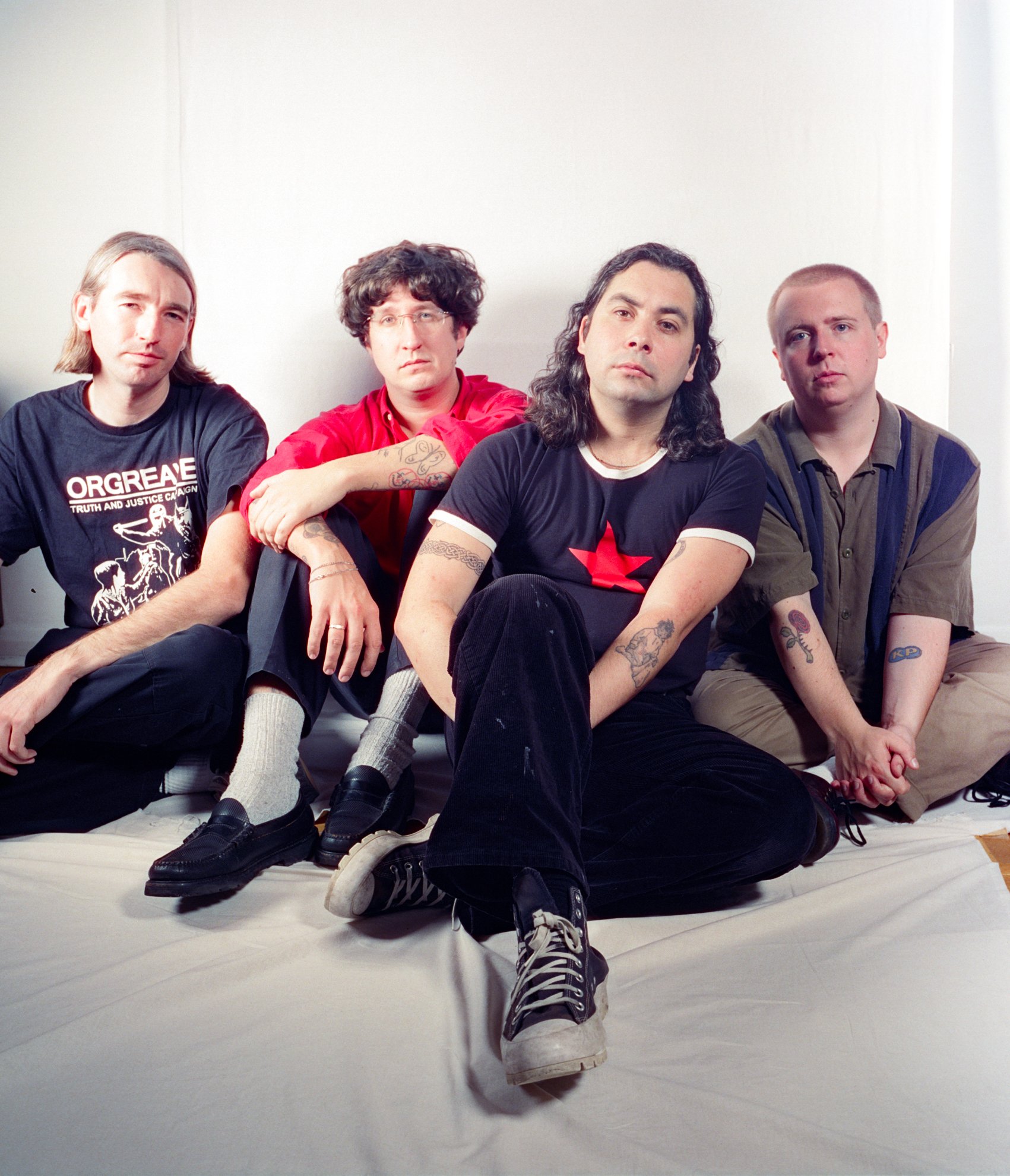
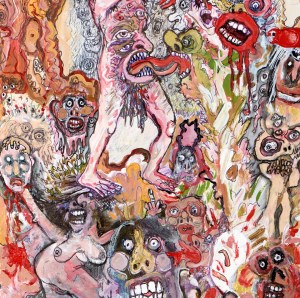
Members of the Gob Nation collective, listing off all the different bands Owen Williams and his bandmates have been in over the years, would be the work of a short essay in its own right, although three-quarters of The Tubs are probably best known still for their roles in the much-loved Joanna Gruesome. Formed in 2018, the band released their debut album, Dead Meat, which won fans in everyone from Iggy Pop to, Colin Robinson himself, Mark Proksch, who appeared in the video to their single Round the Bend. Cotton Crown, in some ways, picks up where Dead Meat left off; however, there’s a sense of going deeper. Between the usual self-deprecation and flair for the bleakly comic, this might just be Owen’s most personal missives yet. The record finds him digging into his own struggles at the loss of his mother, the folk singer Charlotte Greig, who appears on the cover breastfeeding him in a graveyard, a press shot taken around the release of her debut album.
The scene for Cotton Crown is set by the opening track, The Thing Is, to a Teenage Fanclub-like acoustic guitar line, Owen paints a picture of a failing relationship, that’s not serving anyone’s interests but he keeps dragging along anyway, “I know I’ll get away with it, know the words I have to say, to make you love me anyway”. That sense of clinging onto what isn’t working is present throughout, in Narcissist, he sings of how, “I’ve been feeling pretty blue, well exactly what am I supposed to do, but fall for you?”, while in Fair Enough, he shares all his flaws and then in a moment of clarity notes, “I guess I loved you more than I said did, so fair enough if you’re sick of it”. Throughout there’s a palpable sense that Owen’s flaws are exaggerated by his own struggles, the sense of someone beating themselves up to the point they’re too bruised in their own head to be any good to anyone, take the brilliant Chain Reaction, where to a background of racing drum rhythms and unerring guitar riffs he sings of being,“a scammer in the world of world of love, I take it all and I won’t give it”, before noting with a wistful flourish, “I do it to myself”. Ultimately, Cotton Crown is a record about failing to cope, of going through something real, the loss of your mother, and the way that plays into every aspect of life. Take Freak Mode, where to a blur of guitar and drums, Owen recounts throwing himself head over heals into an unsuspecting dating pool,“been derranged, been such a freak, a freak in love, for no reason”. Although grief sits over much of the record like a backstory to his own actions, it’s only really on the closing track Strange, that it’s faced up to head on. The track plays out like a series of downpours and cloudbreaks, as the guitars shift from bruising crescendos to lithe sprightly jangles, and Owen recalls stumbling across an article about his mother online, “a picture of my mother in a weird hat, under an overcast sky, “successful music journalist, mother of two, takes her own life”, how strange it all is”. It’s as if that moments brings up a slew of memories, laughing at the idea it makes him more interesting while getting high with his friends, or an interaction with well meaning if clumsy guest at his mother’s wake, “someone took my arm, said that you could write a song to honour your mum, said the band could write a song, a song about this, well whoever the hell you are, I’m sorry, I guess this is it”. In a year where I went through my own moment of parental grief, Cotton Crown was comforting not because it reflected my own experience, but because it exposed the truth that everyone’s circumstances are different, that no two losses are the same, and there’s no right or wrong way to grieve. In all its messy glory, Cotton Crown was an album not about death but about carrying on living in spite of it.
2. Wednesday – Bleeds [Dead Oceans]
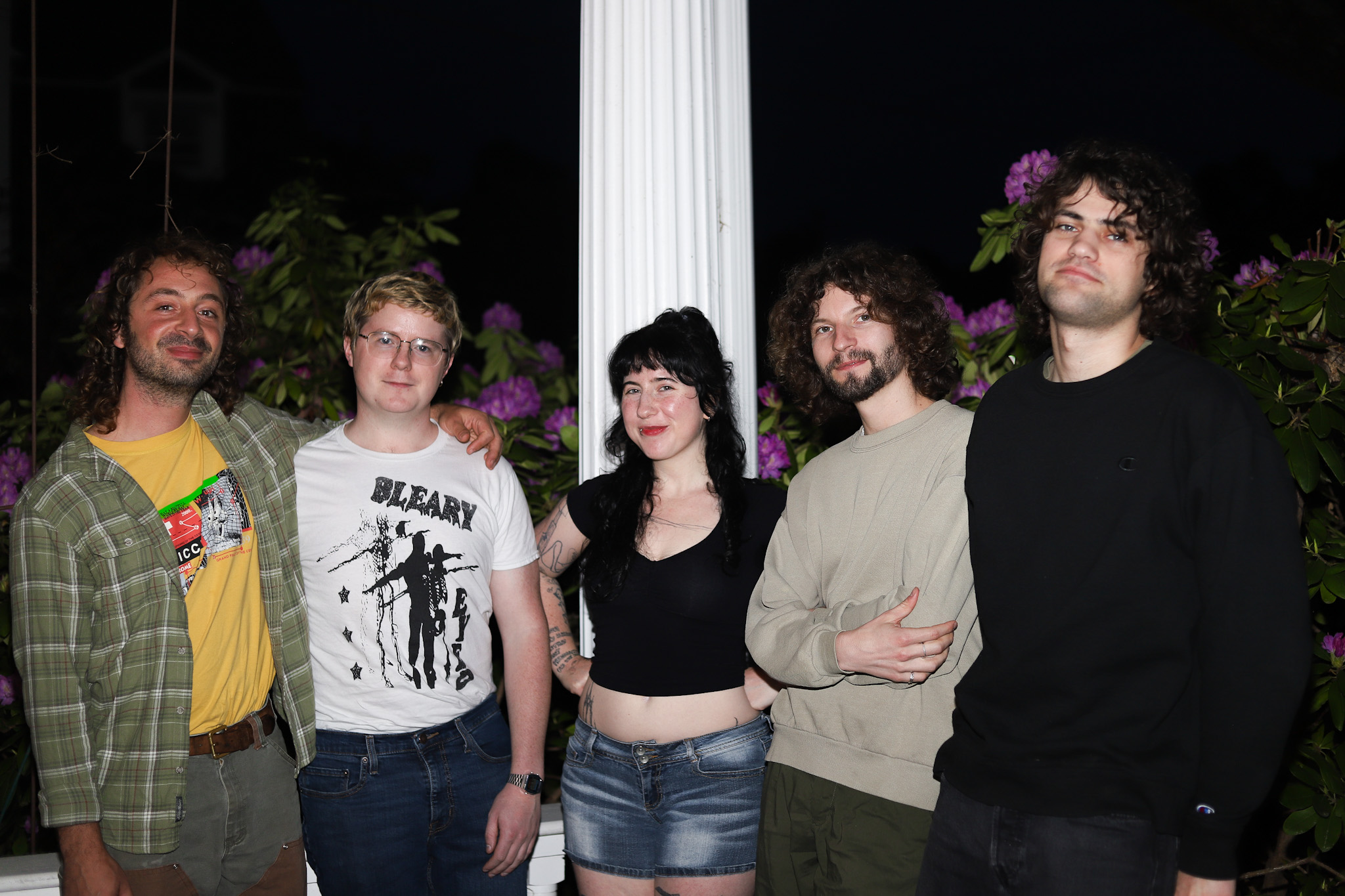
For years now, Wednesday have been running a tight-rope of always trying to top what came before. Every record since 2020’s I Was Trying To Describe You To Someone has seen them top what came before, seen them reach new levels of critical acclaim and an ever expanding audience of dedicated followers. There was a sense with Bleeds that perhaps that just wasn’t possible. The last album, Rat Saw God, was surely as big as a band with a sound as distinctly odd as Wednesday could ever hope to be. It perhaps explains why Bleeds is a record that feels a little more comfortable in its own skin than Rat Saw God, it’s a result of evolution, not revolution, a band who know exactly what they’re doing and who they are. Creating, as founder Karly Hartzman puts it, “the quintessential ‘Wednesday Creek Rock’ album”.
If you’re looking for a sign as to where Wednesday’s sound is now, look no further than the single that marked Bleeds’ arrival into the world. Wound Up Here (By Holdin On), is a song described as being, “what Wednesday songs are supposed to sound like”. With the twin influences of the story of a drowned body washing up on a current, and the poetry of Evan Gray, it’s their classic blend of grimy, gutsy and oddly profound. To a backing of muscular guitars and battered drum rhythms, it’s an unflinching reflection on hopelessness, a world where even the college football star can’t make it out alive, “found him drowned in the creek, face was puffy, they hung his dirty jersey up in a trophy case, next to his girlfriend in a picture with a varsity face”. If that track is classic Wednesday, elsewhere they show they’re not afraid to move into new musical domains, take the single, Elderberry Wine, while it’s become probably their most well known song, with it’s country-lilt and the subtle sweetness of it lyrical reflection on the balancing act required to maintain a relationship without it turning toxic, it doesn’t really sound like anything else they’ve ever done. That sense of exploring new styles is a constant on Bleeds, whether its the slow-burning sad-core of Carolina Murder Suicides with it’s Mark Kozelek-like lyrical study of other people’s grief through Karly’s eyes (“the fire kept on burning at the scraps and I wondered if grief could break you in half? When the gossip died and the ruins rotted away in the rain”), or Wasp, a no holds barred slice of screamo emotion-letting. Possibly the most intriguing of these musical departures comes courtesy of Phish Pepsi, which combines a Yo La Tengo-like drum shuffle with an array of interlocking slide-guitar twangs as Karly, with her trademark reflection of how the seemingly mundane can be contrastingly vital, casts her mind back to youthful misdemeanors, “we watched a Phish concert and Human Centipede, two things I now wish I had never seen, we smoked weed out of a Pepsi can, lyin’ around under a Christmas tree”. Elsewhere, Wednesday don’t forget their roots, with the shoegazy-grunge of Candy Breath and the spit and sawdust country-feedback of Pick Up That Knife, sure to appease previous admirers of their unique stylings. If Bleeds is indeed the quintessential Wednesday album, then perhaps Bitter Everyday is its most quintessentially Wednesday moment. From the initial chug of guitar and snare heavy drum beat, it descends in squeals of controlled feedback as the lyrics sate Karly’s desire to tell the story of a lady who appeared on their porch, sang a beautiful song and was gone, only to be spotted later as a mugshot on a telephone pole, dressed as a juggalo and wanted for murder – begging the question does this sort of stuff happen to everyone in Carolina, or just to Wednesday? Bleeds feels like the latest brilliant chapter in the Wednesday story, a band who at this point really only bare comparison with their own singular back catalogue, there’s really nobody making music like them, and they’re all the more interesting for it.
1. Divorce – Drive To Goldenhammer [Gravity / Capitol]
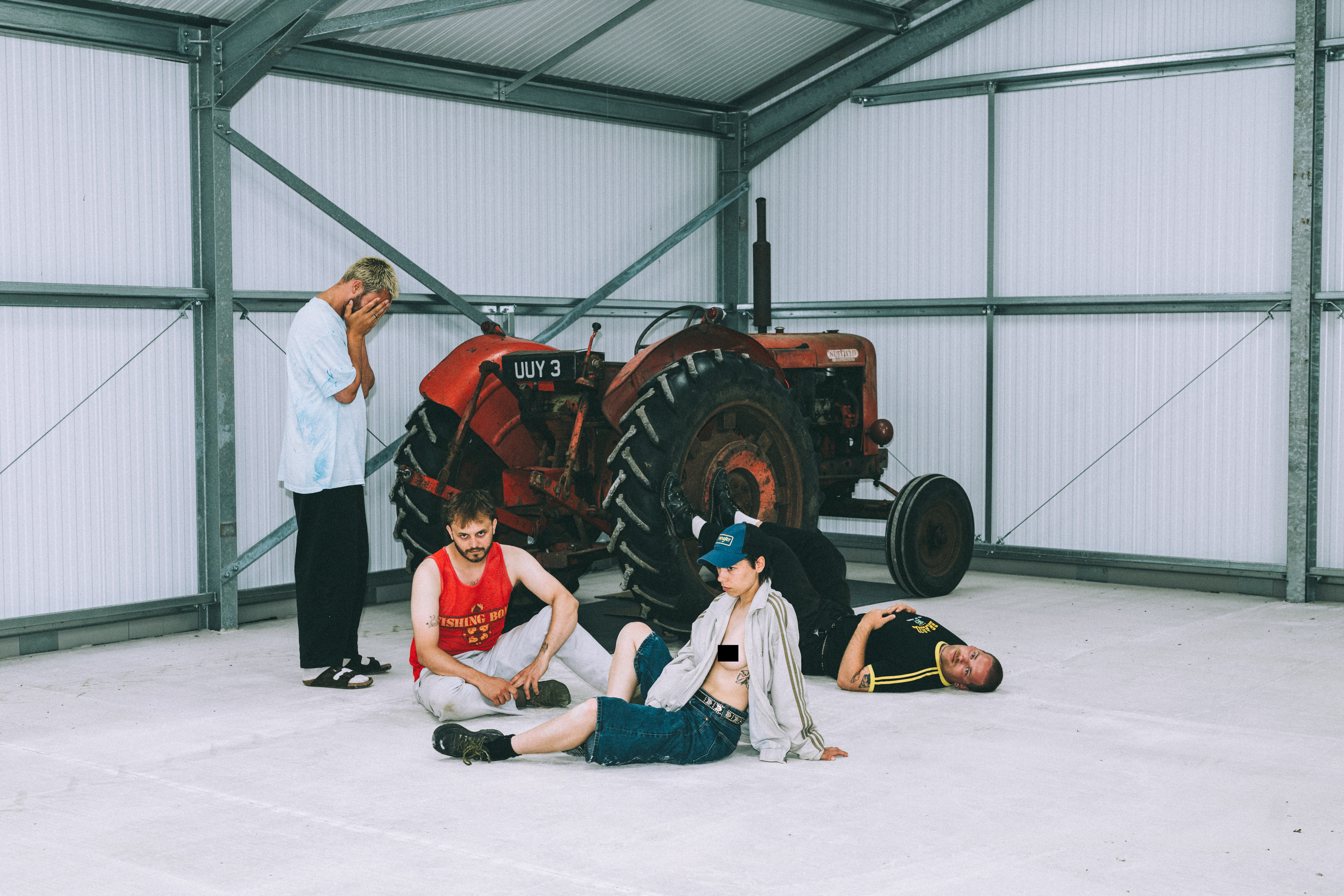
Few bands have the confidence, and perhaps the support, to wait as long to release their debut album as Nottingham’s Divorce did. They’ve been releasing music since 2021, released two excellent EPs that both landed in my end of year lists, and toured pretty much relentlessly, honing the songs that would become Drive To Goldenhammer. The record was made at Peter Gabriel’s Real World Studios with acclaimed producer Catherine Marks, both facts that point to a record that arrived with a certain amount of commercial expectation. All of which makes just how wonderfully difficult to pin down Divorce’s sound is all the more intriguing. They have two singers with very distinctly different voices, they write alt-country songs, but then let them spiral off into the realms of indie-pop, grunge and shoegaze, and they even seem to hint that this record has an element of a conceptual piece, “written from the perspective of a humorous/tragic caricature of an up-and-coming artist”. None of which is what you’re meant to do, but in this era of commercial musical chaos, rules be damned, let country-prog-whatever-this-is rule the airwaves.
When Divorce announced Drive To Goldenhammer, they did so with All My Freaks, probably the record’s most accessible moment, and one that based on a recent live show, remains a firm fan favourite. With its polished production and brilliantly catchy chorus, it’s easy to see why, yet at its core it’s a very odd breakout moment, a band laughing at their own egos before they have even had a chance to earn them. It seems to smirk in the face of the unfriendly landscape that greets any band trying to make a living, the lyrics of the chorus gently mocking its own inherent catchiness, “I could learn to hate myself again, oh I am only here to make you all my friends”. While it introduced the record to the world, it was quite a different beast from the song that actually opens the record, Antarctica. Described by Felix from the band, “as a way to self-soothe and make sense of the loss I was feeling”, it recounts a real-life event when he and bandmate Tiger encountered a newborn calf on a late-night drive. Musically, the track is very much at the alt-country edge of Divorce’s sound, all drum machine tick, aqueous guitar and lilting fiddle, as Tiger and Felix’s voices combine to devastating effect as they present tough exteriors and contrastingly tender cores, “I was made to love you, but the living made me weak”. From there the album rolls beautifully into Lord a world of near-shapeless guitar meanders interspersed with focus drawing drum explosions, as the lyrics explore,“how much you regress to a teenage mindset when you fancy someone, no matter how old you are”, through he medium of a not usually particularly sexy marine dweller, “Lord I’m letting go, I’m a seahorse and I need a little sugar”. After the glam-tinged Fever Pitch comes possibly Side A’s emotional highlight, Karen. A tribute to Karen Carpenter and perhaps a wider celebration of women in music, the songs open with a bed of synths and a wiry guitar line, and largely stays in that headspace for the first two minutes as Tiger lays out her admiration for, “Karen, back to the audience, clicking with one hand, always face the band”. Gradually, a celebration turns into a requiem for those lost to the music industry’s churn, “you’ll ride out like a cannonball, playing a show to some hundred of reptiles, who lick your silver hands and say silver’s out of style now, Karen”. As the perfection shifts into the darkness, the song shifts gears, the guitar becomes urgent, the drums a clattering wall of noise, and Tiger’s vocal a pleading howl, “I love you everyone, wish I could take you home, wish I could shake you”, before a wordless, increasingly distant scream takes the song home. From the wreckage emerges the bombastic Jet Show, before the opening side closes on a gentle note with Parachuter, a reminder to stay open in the darkest of times, “celebrate the way we made it, through the worst days of our lives, takes a lot to make a person, half as strong as you deserve them, I will try to be that person, every day I am alive”.
After the relatively gentle closing moments of Side A, the start of Side B couldn’t be much more contrasting. If the already discussed All My Freaks is an energetic blur, Hangman is its more thoughtful other half. Reflecting on Felix’s time as Support Worker, it explores the idea of caring and support, the various ways providing for others manifests and how under valued that is both in our society, and often from the people on the receiving end, “I don’t wish for any other person to be found inside the eye of this particular storm. I didn’t bring my armbands, I didn’t call ahead, I made lunch for seven people, seven people want me dead”. I’m particularly fond of the way they make an exploration of very human struggles sound anything but helpless. This is a muscular beast of a song, all propulsive bass and jittery drum ticks, only the bridge section with it repeated refrain, “I won’t make you wait”, dials things down briefly, before it roars back into the chorus and its reflection of not always knowing what someone needs, but being there anyway, “lets play Hangman again, I don’t know if you want to, I don’t know what you’d rather do, man”. From one stand-out to another, it’s followed by the jittery urgency of the opening section of Pill and its exploration of, “sexual awakenings and the absolute thrill of feeling seen properly“. It is built around three distinct sections, the fever dream-like opening concluding with a proggy guitar-solo heavy breakdown to be replaced by the gulp of fresh air that is the piano interlude, before ending with possibly the most obviously alt-country moment on the record, all twangy slide guitars, twin vocals and skiffling drum beats. All those changes fit neatly into the songs narrative, tracking Tiger on a journey through establishing their queer identity, “when I met you I had very long hair, and a barrage of excuses why I’d never gone there”, through to the blossoming questions of a new relationship, “she swings so close to me and back again, come close to me, go back again, away from me”, and concluding with the painful goodbyes of distant relationships, “I just got in the swing, I’m back again, I’m on the train”. If the record is a journey as the title suggests, this is perhaps where the corner turns and the vista appears, Old Broken String is the moment of realising all the mistakes you’d made, you’d make them all again to be here, “with my sorry eyes and my beard gone grey“, and the scars of a journey, set to a bar-room piano and country-licked strings. It would make a fitting end, but the best stories always have a twist in the tail, and here that comes via the de-facto title track, Mercy, it’s like flicking through a book of memories, snapshots of the little moments that never leave us, whether it’s a seraphic moment at a Wilco concert or a seemingly inconsequential downpour, “we put our raincoats on and watched the clouds roll by”. It’s a fitting ending to a record that isn’t about arriving anywhere; it’s about the journey, as the band put it, “don’t worry too much about Goldenhammer, the drive is the thing”, and what a beautiful thing it is.
 For The Rabbits